
Keep in Mind: Despite news media and other nefarious actors’ exaggerations, and despite millions of informed adults using kratom in moderation with net benefits, risks of kratom use are real. Kratom should not be consumed in high doses or with various other substances, including alcohol, Benedryl, Tylenol, opioids, or multiple prescription and over-the-counter drugs. Kratom should not be consumed by adults with heart, liver, organ, digestive, or various other health issues. Kratom can contribute to dependency even in traditional use. Kratom should not be consumed by children, or by adults who are unable or unwilling to educate themselves about possible risks and benefits.
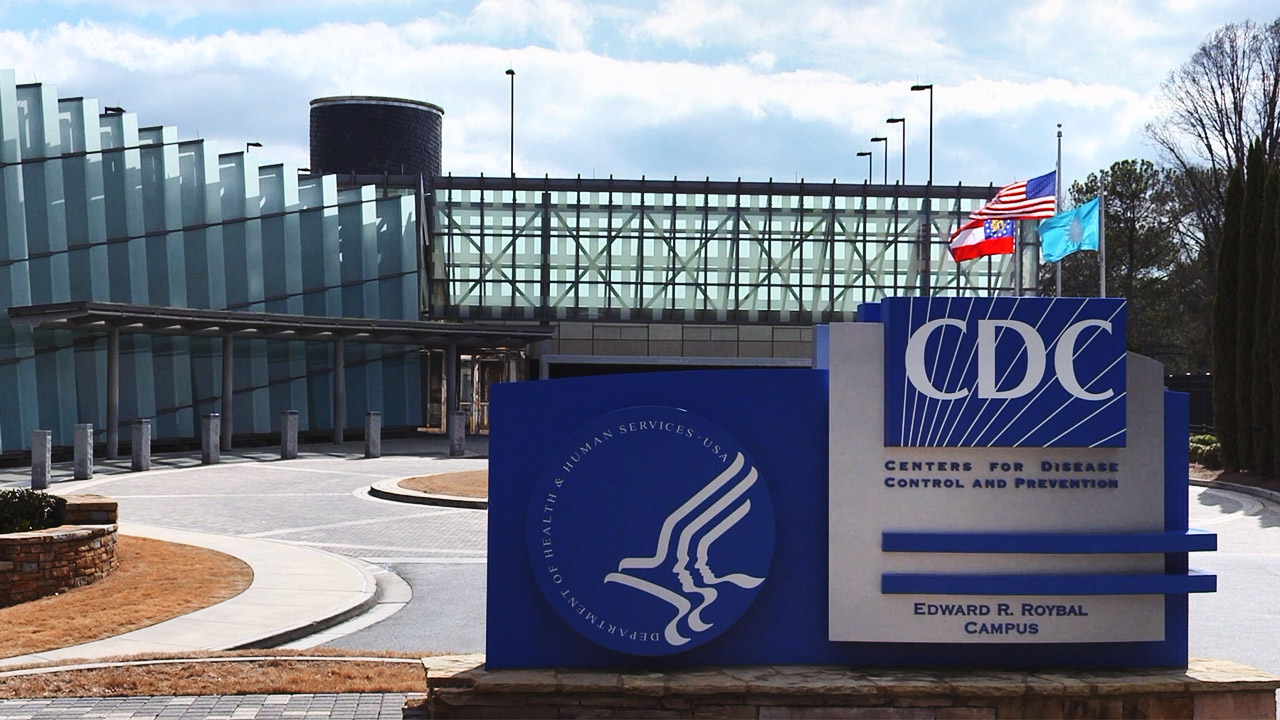
According to the Centers for Disease Control (CDC), since 2015 the National Poison Data System [NPDS] “found an increase of approximately 1,200% in kratom-related exposure reports (from 258 to 3,434), including a marked surge in 2025.”
The report explains, “The NPDS coding manual defines an exposure report as actual or suspected contact with a substance that prompted a consultation with a poison center, regardless of toxicity or clinical manifestations.”
Sixty-two percent (62%) of the reports involved kratom as a single-substance. The rest (38%) were multiple-substance reports that included kratom among multiple substances. Six percent (6%) of the reports were deliberate suicide attempts.
Four limitations are listed by the authors:
“First, NPDS relies on voluntary, self-reported data that might result in an underestimate of the number of milder events. Second, the poison center reports included reports from repeat callers, and certain substances or outcomes might have been misclassified despite standardized procedures. Third, the data do not include information about whether the kratom use involved traditional leaf products or semisynthetic or concentrated formulations, such as 7-hydroxymitragynine, thereby limiting conclusions about formulation-specific risks. Finally, multiple substances can be reported for each exposure report, and determining which substance was most related to clinical effects or medical outcome, including death, was not possible.”
Multiple news reports presented these data as a public health threat rather than as an expected increase in minor-to-serious adverse events corresponding with rising use. Some headlines referred to all exposure reports as “kratom poisonings” (1, 2). Many headlines focused on percentages rather than numbers. The tabloid/gossip outlet New York Post ran this headline: “Hospitalizations from ‘natural’ supplement have shot up 1,150%, docs warn”, and like other major outlets, saved for later the boring statistic: The literal hospitalization numbers increased from 43 in 2015 to 538 in 2025, without accounting for the fact that many involve multiple-substance exposure, and the severity of outcomes are not discussed.
A very conservative estimate, the most conservative we could find, places the number of the nation’s kratom consumers at 1.7 million. Using this estimate, and assuming the total number of calls from all ten years (14,449) were attributed to individual kratom consumers, this would only reflect the experience of roughly 0.8% of all consumers. A less hysterical but accurate headline using these very conservative statistics may read “99.2% of All Kratom Consumers Do Not Call Poison Control”.
The upward trend in exposure reports is likely the effect of many more people consuming kratom, coupled with the emergence of stronger kratom alkaloid-based products. The absence of regulations or poorly-enforced regulations leads to an uneducated consumer base coupled with a wild-west, grey area market, despite the kratom industry’s efforts to regulate itself via lobbying organizations like the American Kratom Association (AKA) and Global Kratom Coalition (GKC). Highly-concentrated liquid kratom alkaloid extracts and 7-hydroxymitragynine (7-OH) dominant products have been irresponsibly marketed, for example, in gas stations and convenience stores next to concentrated caffeine shots in similar packaging, and as a “legal high” with brand names like “OPMS” and “Perks”.
New cannabis products have had a similar trajectory. Cannabis-related calls to poison control totaled 31,628 in a 7-year period from 2000-2017, more than the twice the amount of calls about kratom in the decade between 2015-2025 (O’Neill-Dee et al, 2020). Like kratom extracts and 7-OH, this is likely due to a gap in education about proper dosage in consumers newly exposed to high-THC edibles and similar products available in the legal market.
An earlier analysis labeling kratom a “public health threat” that relied on NPDS data found that a majority of poison center calls about kratom up to that point reported “agitation” as the primary symptom. Other symptoms that made up a majority of exposure reports were tachycardia, drowsiness, vomiting, and confusion (Eggleston et al, 2019). This analysis was criticized in a published letter by scientists for ignoring multiple points of information including: centuries of relatively safe use, current beneficial user experience, what the reported outcomes were actually caused by, the number of cases that required medical intervention, and the “contribution of adulteration or contamination” to poison control center calls in kratom products in a poorly regulated market (Grundmann et al, 2019).
Grundmann et al concluded with:
The potential benefits to this large user population must be considered alongside any potential risks. Government agencies’ push to ban kratom may force a return to classical opioid use among some kratom consumers, with the concomitant risk for dependence, misuse, and overdose. We fear the conclusions of Eggleston et al., despite its methodologic shortcomings, will be used to advance a ban that will have considerable adverse effects on public health.
REFERENCES
- Eggleston, W., Stoppacher, R., Suen, K., Marraffa, J. M., & Nelson, L. S. (2019). Kratom Use and Toxicities in the United States. Pharmacotherapy, 39(7), 775–777. https://doi.org/10.1002/phar.2280
- Grundmann, O., Brown, P. N., Boyer, E. W., Swogger, M. T., Walsh, Z., Prozialeck, W., Kruegel, A. C., Veltri, C. A., & Dudley, S. (2019). Critique of “Kratom Use and Toxicities in the United States”. Pharmacotherapy, 39(11), 1119–1120. https://doi.org/10.1002/phar.2336
- O’Neill-Dee, C., Spiller, H. A., Casavant, M. J., Kistamgari, S., Chounthirath, T., & Smith, G. A. (2020). Natural psychoactive substance-related exposures reported to United States poison control centers, 2000–2017. Clinical Toxicology, 58(8), 813–820. https://doi.org/10.1080/15563650.2019.1688341
Towers EB, Thomas YT, Holstege CP, Farah R. Increases in Kratom-Related Reports to Poison Centers — National Poison Data System, United States, 2015–2025. MMWR Morb Mortal Wkly Rep 2026;75:139–145. DOI: http://dx.doi.org/10.15585/mmwr.mm7511a1